The Prototype That Became a Blueprint: Apple Watch Series 0
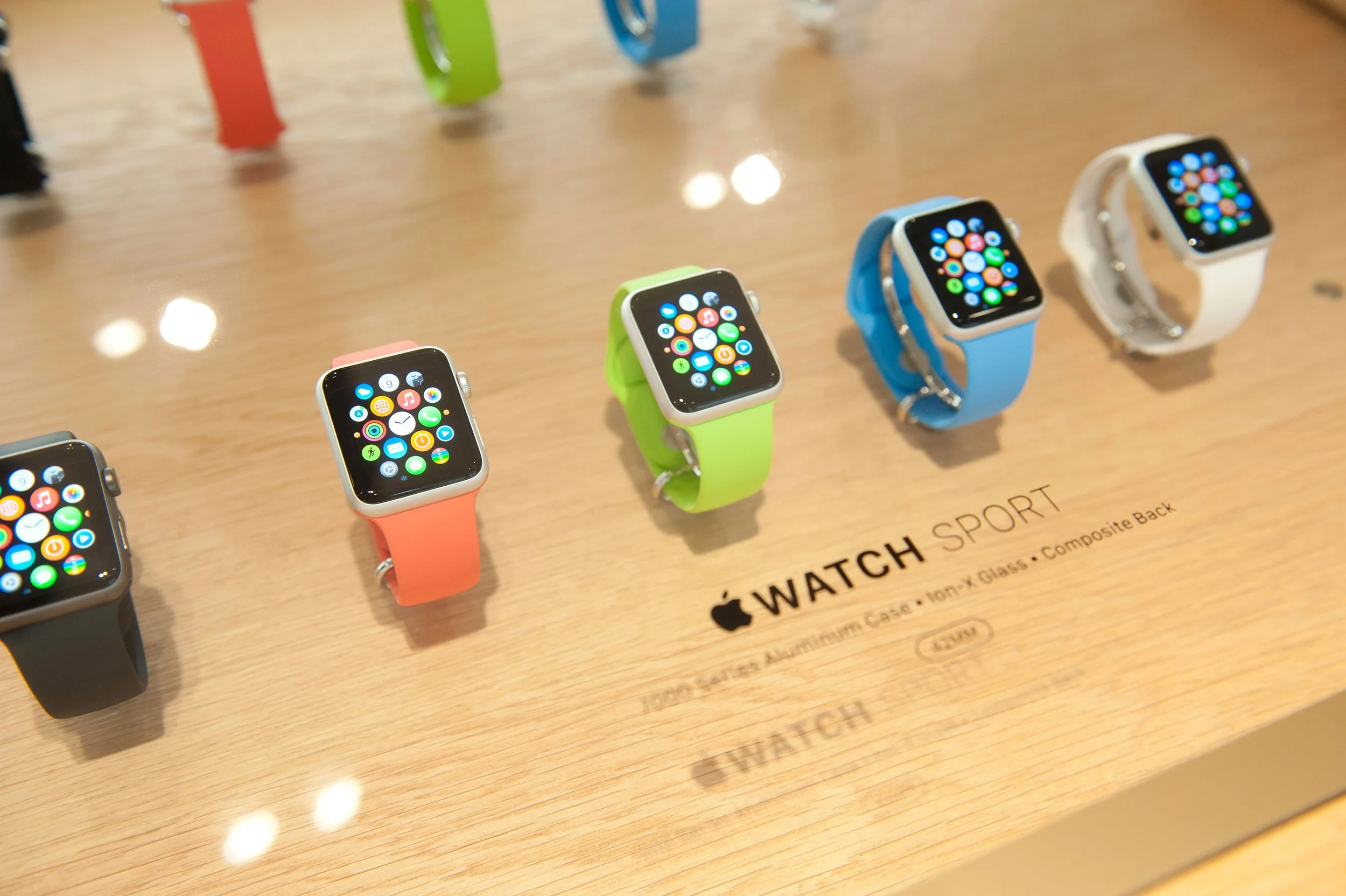
Before the Apple Watch became the world’s most-worn computer, it existed as something far more interesting. A first attempt. The Series 0—the original 2015 model—wasn’t fast, wasn’t refined, and wasn’t pretending to be perfect. What it was, however, was a statement of intent. A sketch that became the final drawing. A prototype that shipped.
For anyone who loves the intersection of engineering, design, and cultural impact, the Series 0 is a fascinating object. It’s the moment Apple decided the wrist was the next frontier.
A New Category, Executed with Unusual Confidence
Apple’s first watch didn’t arrive cautiously. It arrived fully formed.
The Series 0 introduced:
The rectangular display that still defines the line
The Digital Crown, a mechanical control on a digital device
The side button, which Apple still hasn’t quite decided the perfect use for
Interchangeable bands that turned a gadget into a wardrobe
Three material families, including the infamous 18k gold Edition
This wasn’t a “version one” design. This was Apple saying: We know exactly what this product should look like.
And nearly a decade later, they still agree.
Performance: Slow, Yes. But Also, Irrelevant.
If you pick up a Series 0 today, you’ll notice the speed immediately. Or rather, the lack of it. Apps load like they’re travelling through customs. Animations take their time. The whole thing feels politely unhurried.
But here’s the truth: performance wasn’t the point.
The Series 0 existed to prove three ideas:
A computer could live on the body without feeling like a computer
Notifications could be subtle instead of screaming for attention
Health tracking could be something you glance at, not something you manage
It succeeded at all three.
Health Tracking: The Seed of a Giant
Today’s Apple Watch is a medical device disguised as jewellery. ECGs, fall detection, blood oxygen monitoring, sleep analysis—the list grows every year.
The Series 0 started with:
Step counting
Calorie tracking
Heart rate monitoring
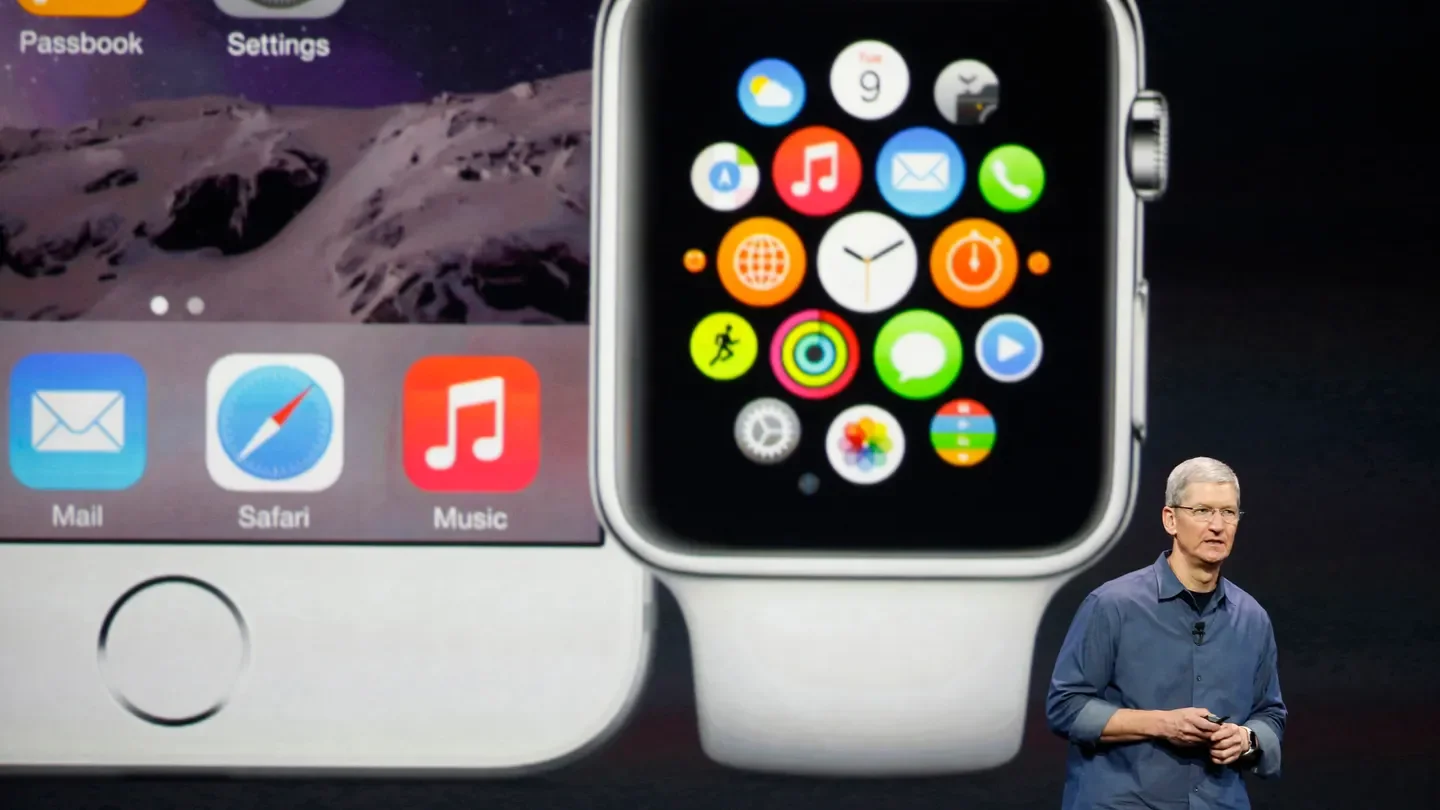
The Activity Rings
Those rings became one of Apple’s most effective pieces of behavioural design. They turned movement into a game, and millions of people still play it daily.
watchOS: A Platform Learning to Walk
watchOS 1 was ambitious but confused. Apps ran on the iPhone. The interface was dense. The Digital Crown was underused.
But the platform matured quickly:
watchOS 2 brought native apps
watchOS 3 made everything dramatically faster
watchOS 4 refined fitness
The Series 0 rode that evolution until 2018, when support ended at watchOS 4.3.2. Not bad for a first-generation device that was essentially a proof of concept.
Why the Series 0 Still Matters
The Series 0 is important not because of what it did, but because of what it enabled.
It made wearables mainstream.
Before Apple Watch, smartwatches were niche. After Apple Watch, they were inevitable.
It turned Apple into the world’s biggest watchmaker.
Within months, Apple outsold Rolex, Omega, and Swatch combined. That’s not a trend; that’s a shift.
It set a design language that still holds.
Every Apple Watch since has followed the Series 0’s silhouette.
It showed Apple could still surprise people.
In a world expecting incremental updates, the Apple Watch was a new direction entirely.
Looking Back: A Flawed, Fascinating First Step
The Apple Watch Series 0 wasn’t perfect. It was slow, limited, and clearly a first-generation device. But it was also bold. It was Apple’s declaration that the wrist was the next interface—and they were right.
For collectors, designers, and anyone who appreciates the story behind iconic tech, the Series 0 is more than a product. It’s a moment. A hinge in the timeline. The quiet beginning of a wearable ecosystem that now shapes how millions of people move, communicate, and understand their own health.
It’s the kind of object that reminds you that every revolution starts with a prototype.
Take a look at all the pieces here