
Studio Journal
Welcome to the Tazar Journal — a blog space where technology, craft, and design intersect. Here we share the stories behind our artworks, explore the beauty of vintage electronics, and document the process of transforming obsolete technology into handcrafted art. From studio insights and new releases to reflections on innovation and reuse, the journal offers a closer look at the ideas, materials, and background stories behind the artworks.

Hunting for Retro Inspiration: A Campervan Escape
Wandering off in the campervan — this time on a mission to chase all things retro. Faded signs, old colours, forgotten fonts, tiny treasures tucked into charity shops… inspiration hiding in the everyday. Slow roads, slow mornings, and a sketchbook filling up one stop at a time. Here’s to finding beauty in the things time left behind.
Why We Take Things Apart
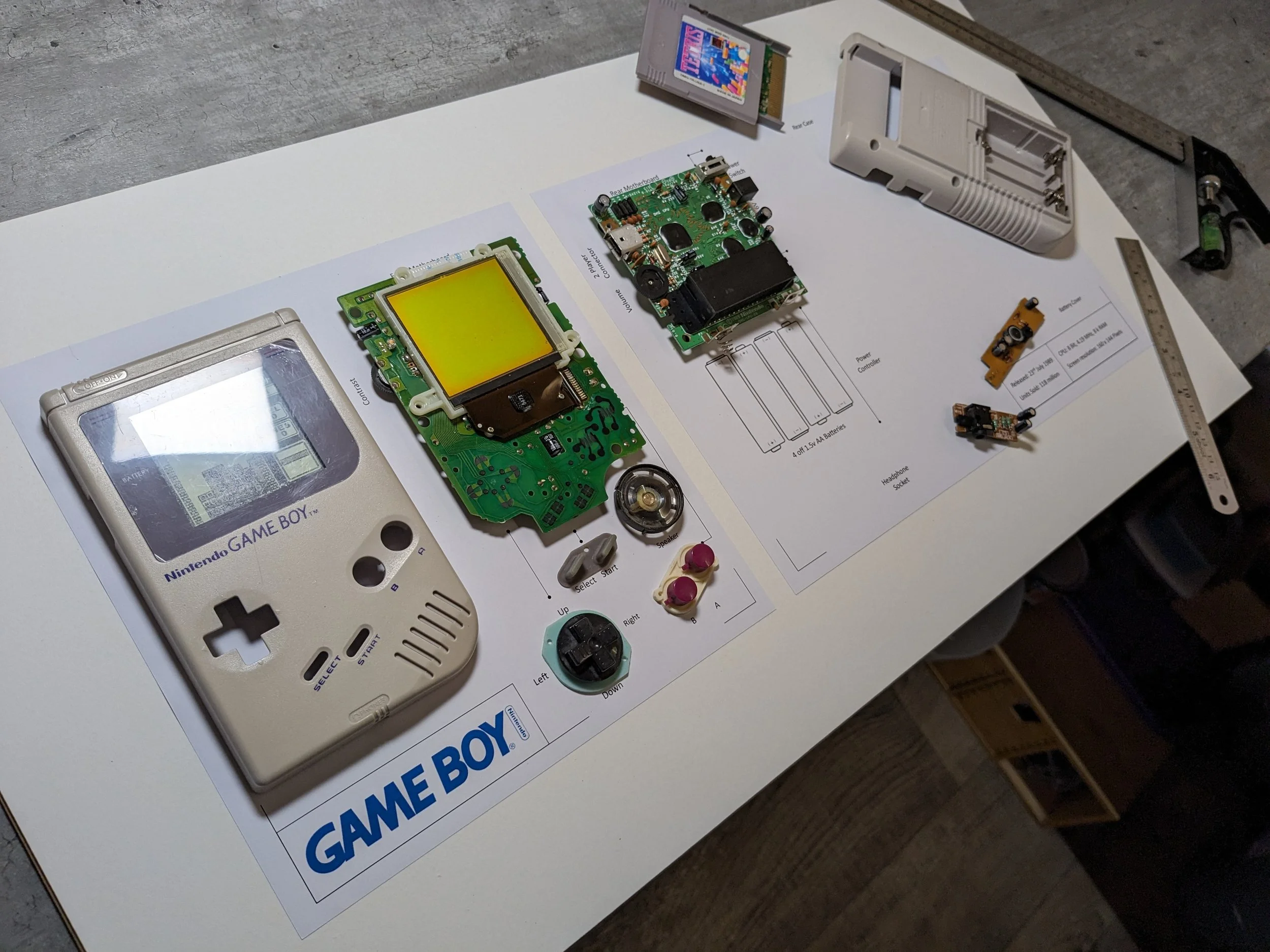
There's a moment, about twenty minutes into disassembling a Game Boy, when the whole thing makes sense. The shell comes off, the screws line up on the workbench, and what's left is something you wouldn't expect: a surprisingly considered piece of design. Compact. Deliberate. Built to last.
That's what started Tazar.
The iPod: The Beauty Was Always in Your Pocket
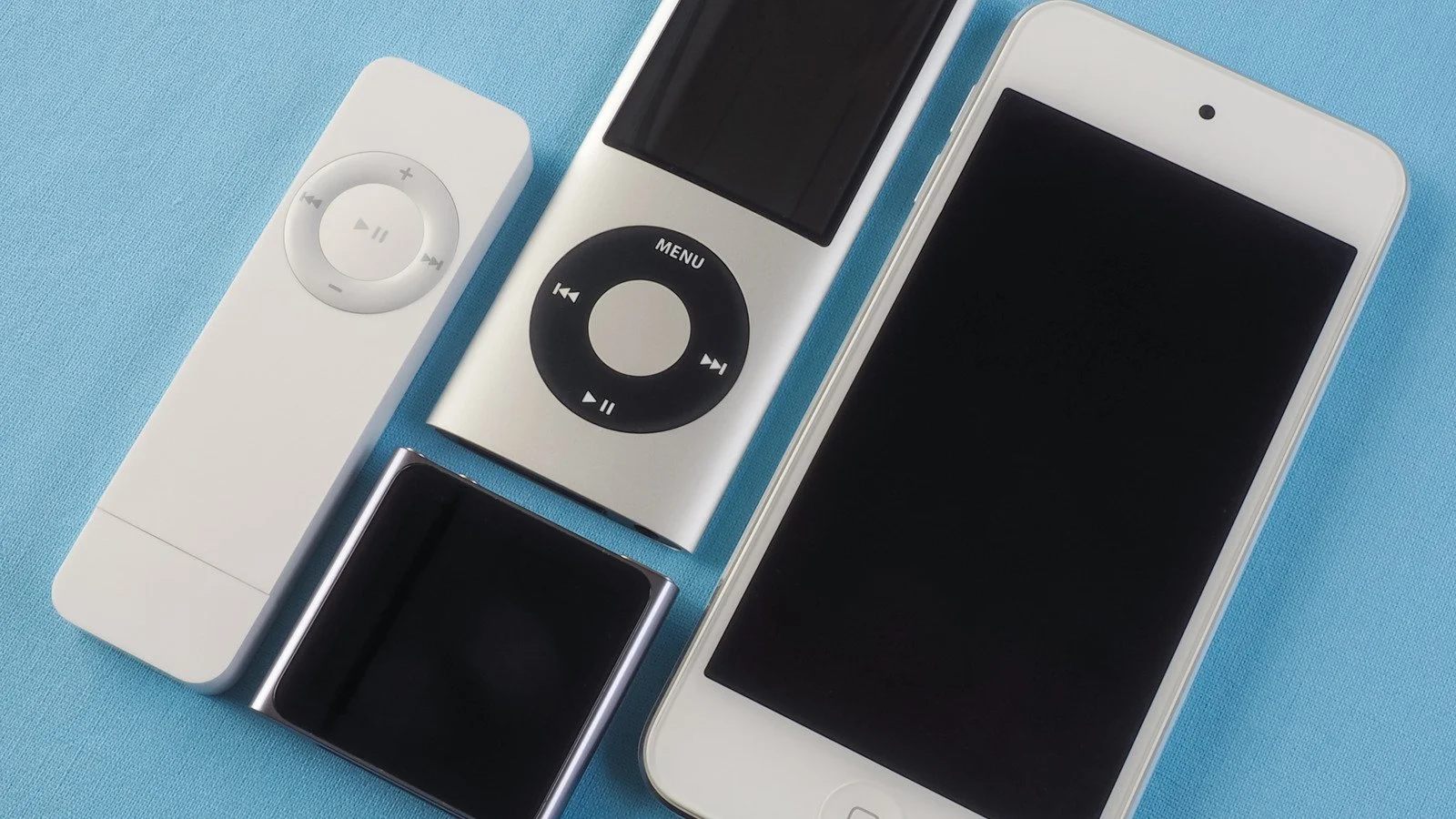
For many of us, the first time we spun that click wheel, it felt like discovering a hidden treat — the kind you stumble upon at the bottom of an Easter basket.
And in a way, it was a little gift from the future.
The iPod didn’t just transform music. It transformed Apple.
The Gadget That Saved Apple
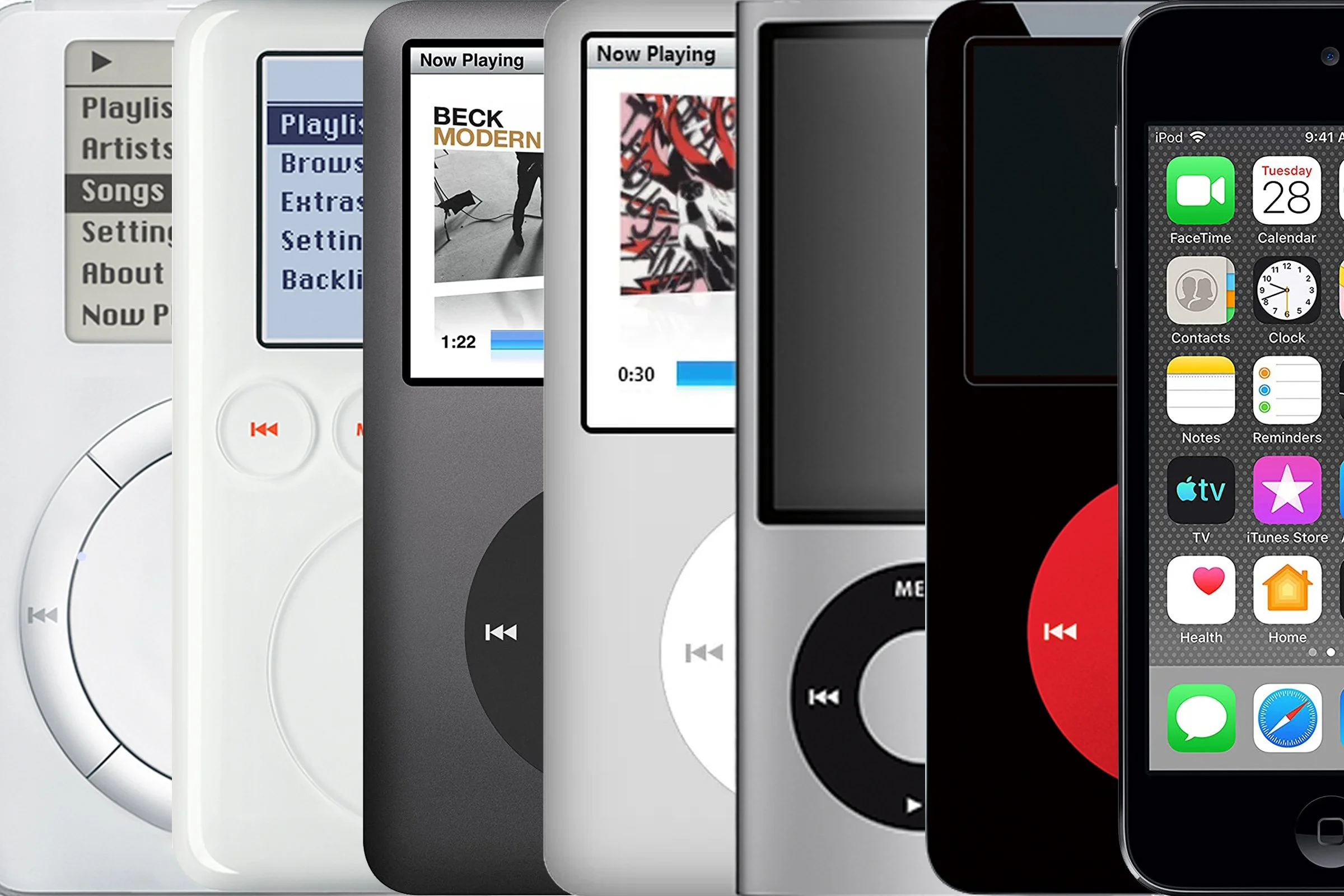
Before smartphones ruled our lives, before streaming made music infinite, there was a small white rectangle that felt like magic. The iPod didn’t just play songs — it changed how we moved, how we felt, how we connected.
The Prototype That Became a Blueprint: Apple Watch Series 0
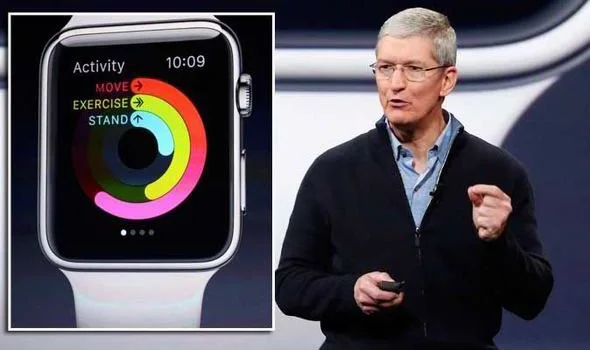
Before the Apple Watch became the world’s most-worn computer, it existed as something far more interesting. A first attempt. The Series 0—the original 2015 model—wasn’t fast, wasn’t refined, and wasn’t pretending to be perfect. What it was, however, was a statement of intent. A sketch that became the final drawing. A prototype that shipped.
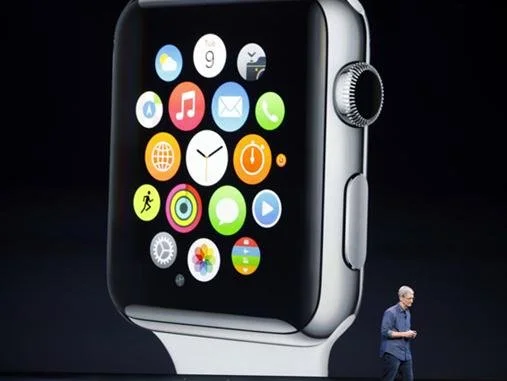
Where the Digital Future First Ticked
A softened rectangle. A mechanical crown on a digital device. A display that felt impossibly alive for 2015. The Series 0 didn’t arrive as a prototype. It arrived as a blueprint. Nearly a decade later, every Apple Watch still follows its silhouette.
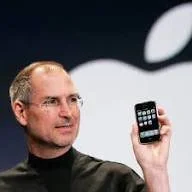
Glass, Steel, and One Very Famous Barstool
Flat, precision-cut glass front and back. A surgical stainless steel band running the full perimeter. Sharp-edged, almost severe. It looked less like a consumer phone and more like a piece of Swiss watchmaking.
People who held one for the first time reached for the same word: jewellery.
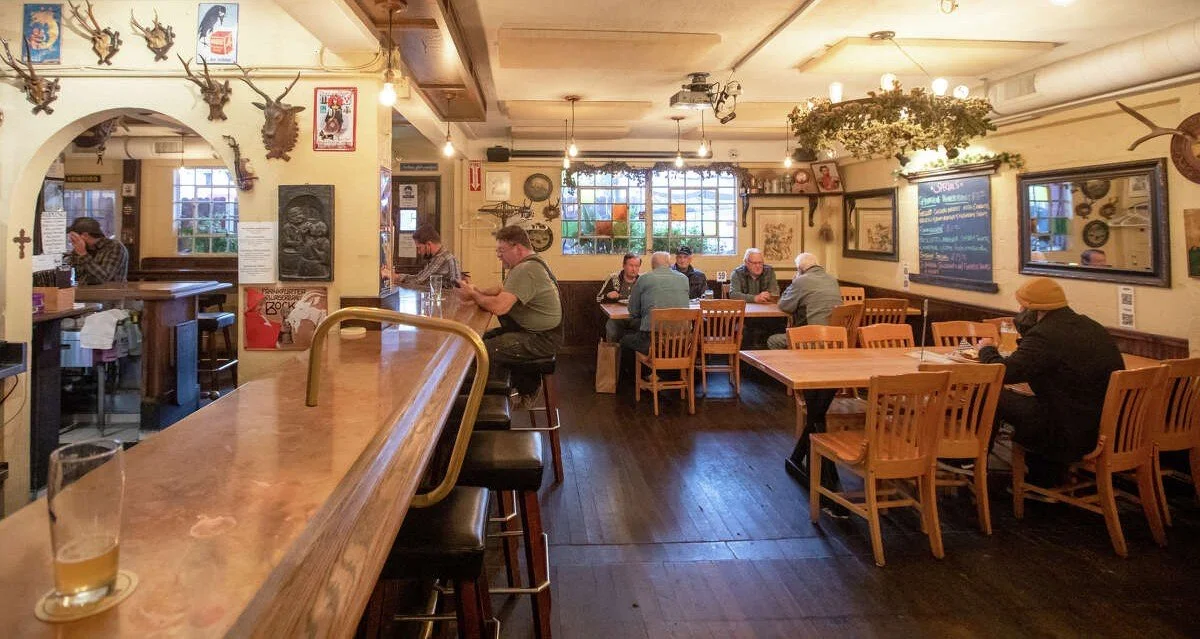
Antennagate, Jony Ive, and the Most Beautiful Phone
April 2010. A grey iPhone prototype is left on a barstool in a pub in Redwood City, California.
A journalist picks it up.
Tomorrow, we tell it in full.
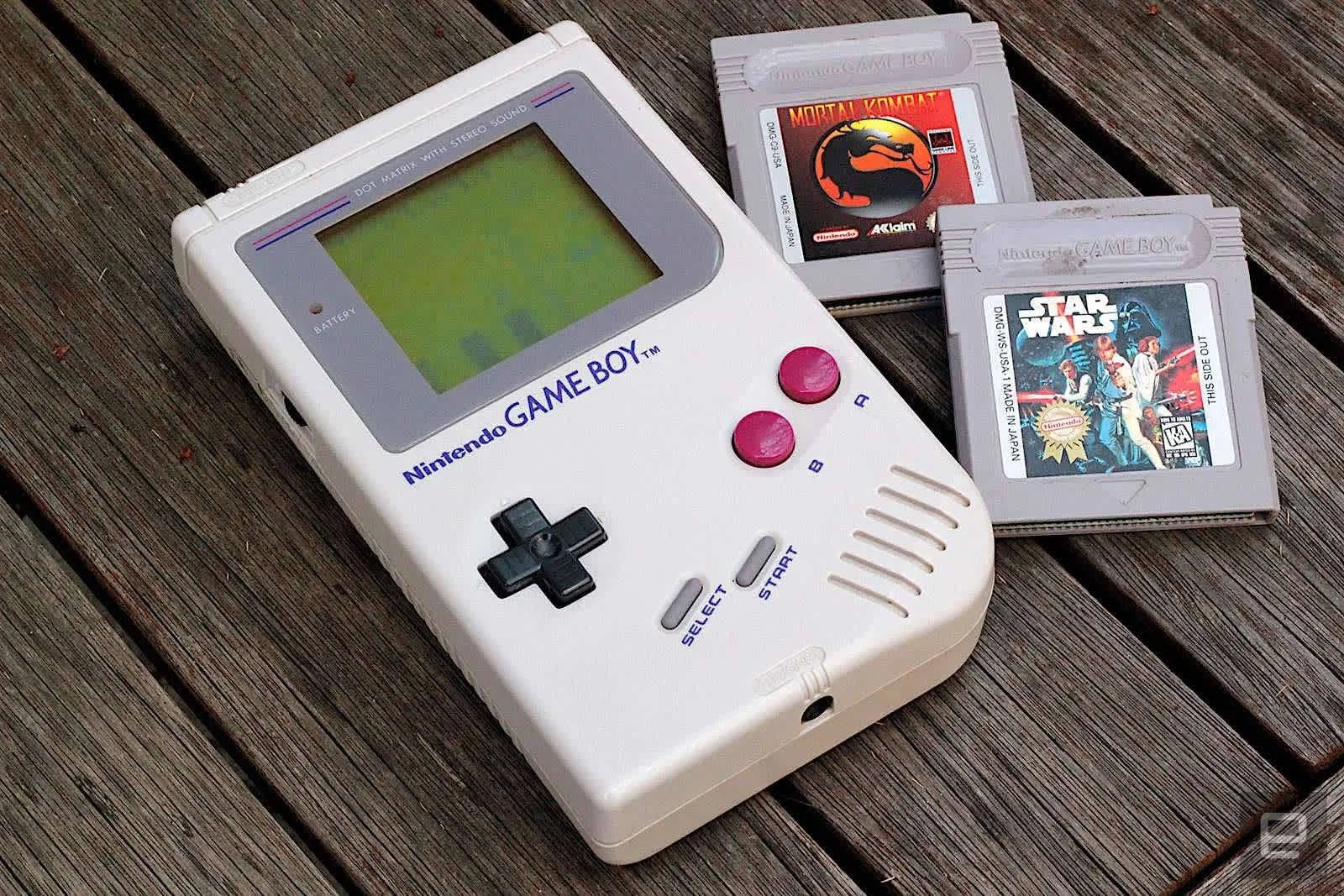
Nintendo's Humble Masterpiece
The story of the Game Boy is, at its core, a story about the right priorities. Its rivals like the Sega Game Gear, the Atari Lynx, the NEC TurboExpress, were all technically superior. Colour screens, sharper graphics, more processing power. They looked better in the shop. They cost more. And they all died quietly while the Game Boy kept selling.
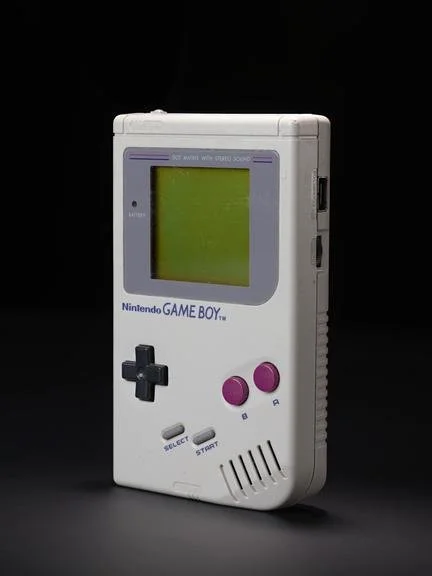
The Grey Brick Nobody Could Kill
In 1989, Nintendo handed the world a grey plastic rectangle with a smudgy green screen. It wasn't the most powerful handheld of its era — not even close. Competitors had colour screens, better hardware, and superior specs…on paper.
The Game Boy outsold them all.
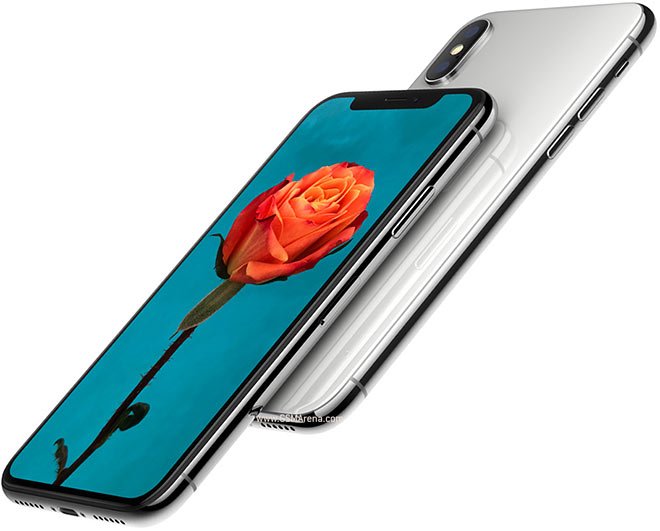
The Phone That Rewrote the Rules: The Story of the iPhone X
There are moments in technology that split time in two — a before and an after. The launch of the iPhone X on the 12th September 2017 was one of those moments. Not just for Apple, not just for smartphones, but for the entire way we think about what a pocket computer can be.
It was bold. It was expensive. And it was, without question, the most consequential iPhone Apple had ever made.
The Phone That Changed Everything
There are moments in technology that split time in two — a before and an after. The launch of this phone in 2017 was one of those moments. Not just for smartphones, but for the entire way we think about what a pocket computer can be.
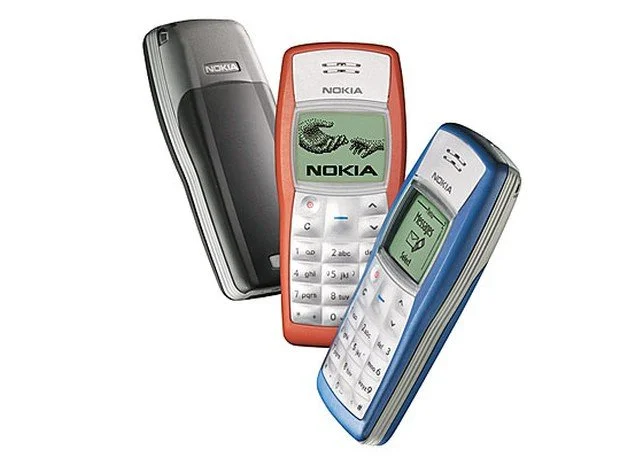
The Nokia 1100
In 2003, the mobile world was charging toward colour screens, VGA cameras, and the first hints of mobile internet. Manufacturers were locked in an arms race of features and flash. And then Nokia — at the height of its global dominance — did something completely counter‑cultural.
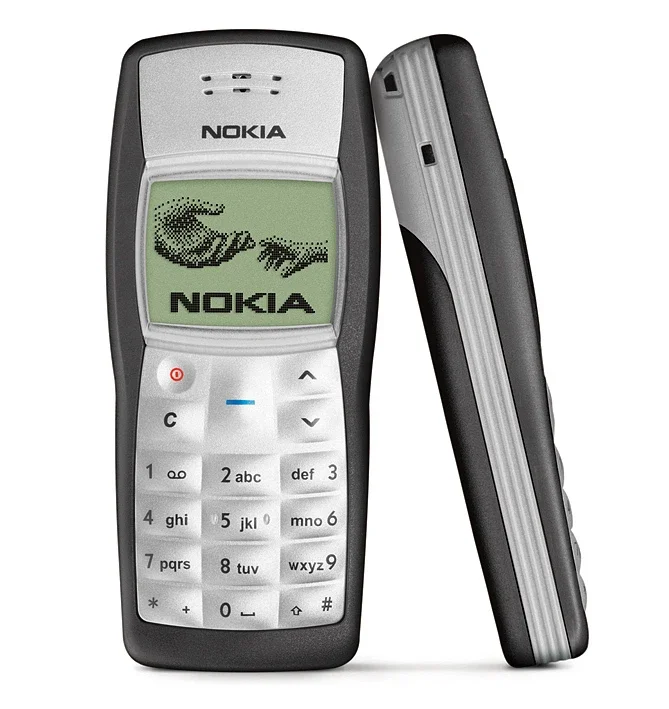
The Little Nokia That Conquered the World
When this mobile launched, nobody expected it to become a cultural phenomenon... It didn’t have a camera. It didn’t have colour. It didn’t even have polyphonic ringtones. And yet, this unassuming handset went on to achieve something no iPhone, Galaxy, or foldable has ever matched. It became the best‑selling mobile phone of all time, with over 250 million units sold worldwide.
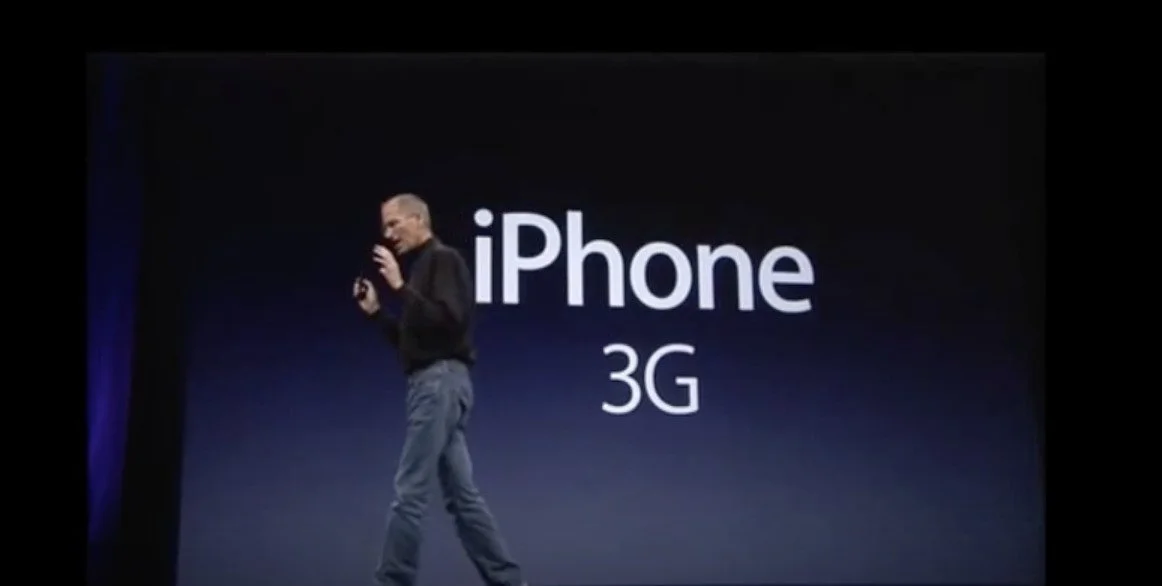
Part 2: When the iPhone 3G Changed Everything
The original iPhone lit the spark, but the iPhone 3G is where the fire truly caught. In 2008, Apple didn’t just release a faster phone — it unleashed the device that made smartphones essential. With 3G speeds, real GPS, and the birth of the App Store, the iPhone 3G transformed a clever idea into a global habit. This was the moment the iPhone stopped being a glimpse of the future and became the centre of everyday life.
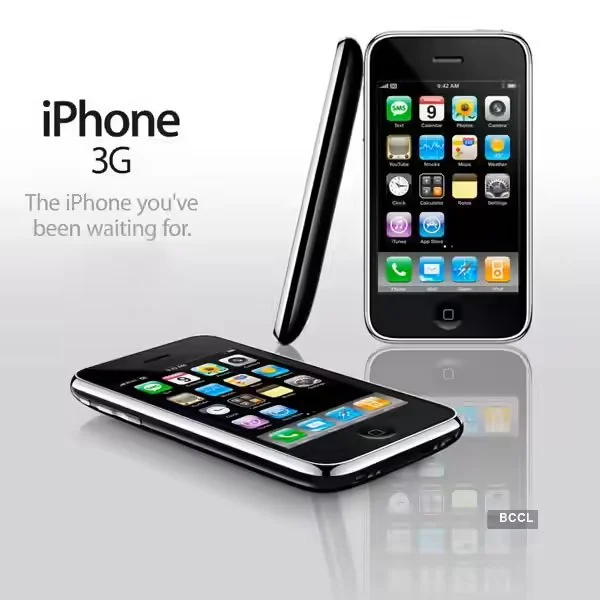
Part 2 Is Almost Here: The iPhone 3G
In 2008, Apple didn’t just release a faster phone — it released the device that made smartphones essential. With 3G speeds, GPS that actually worked, and the very first App Store, the iPhone 3G turned a clever gadget into the centre of everyday life.
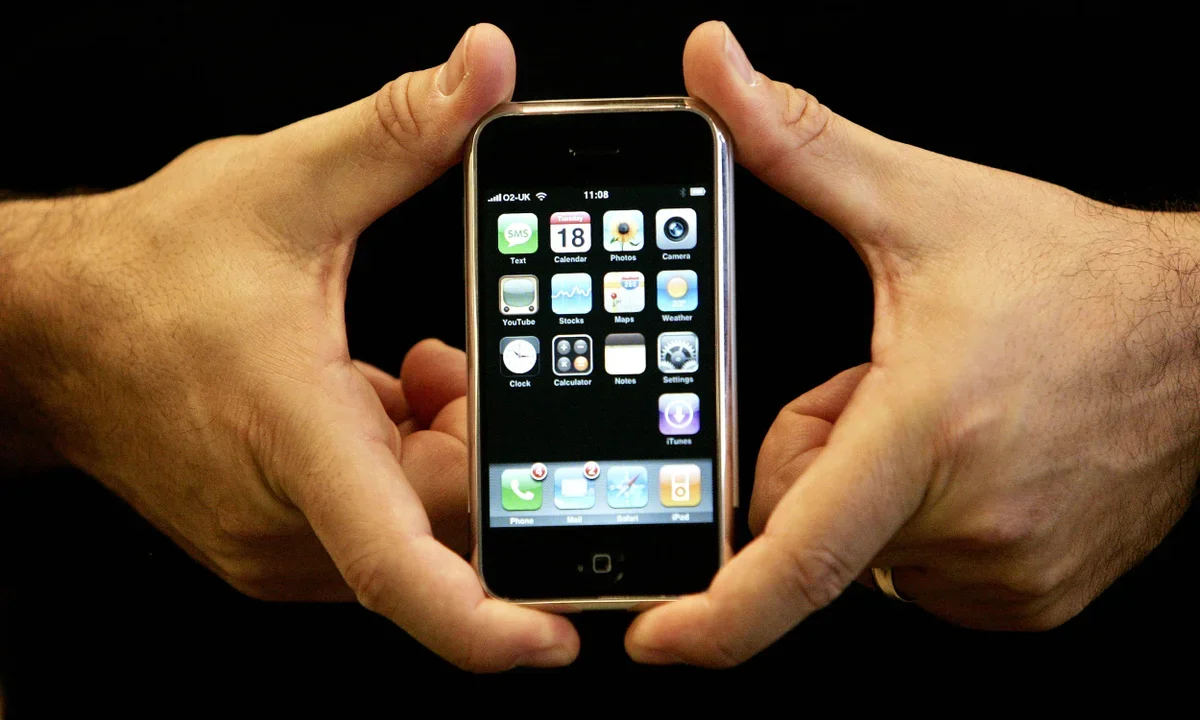
Part 1: The Original iPhone
Web browsing was a chore, software was clunky, and every device seemed to demand its own learning curve. That was before the iPhone arrived back in 2007, at that time the mobile world felt stuck.
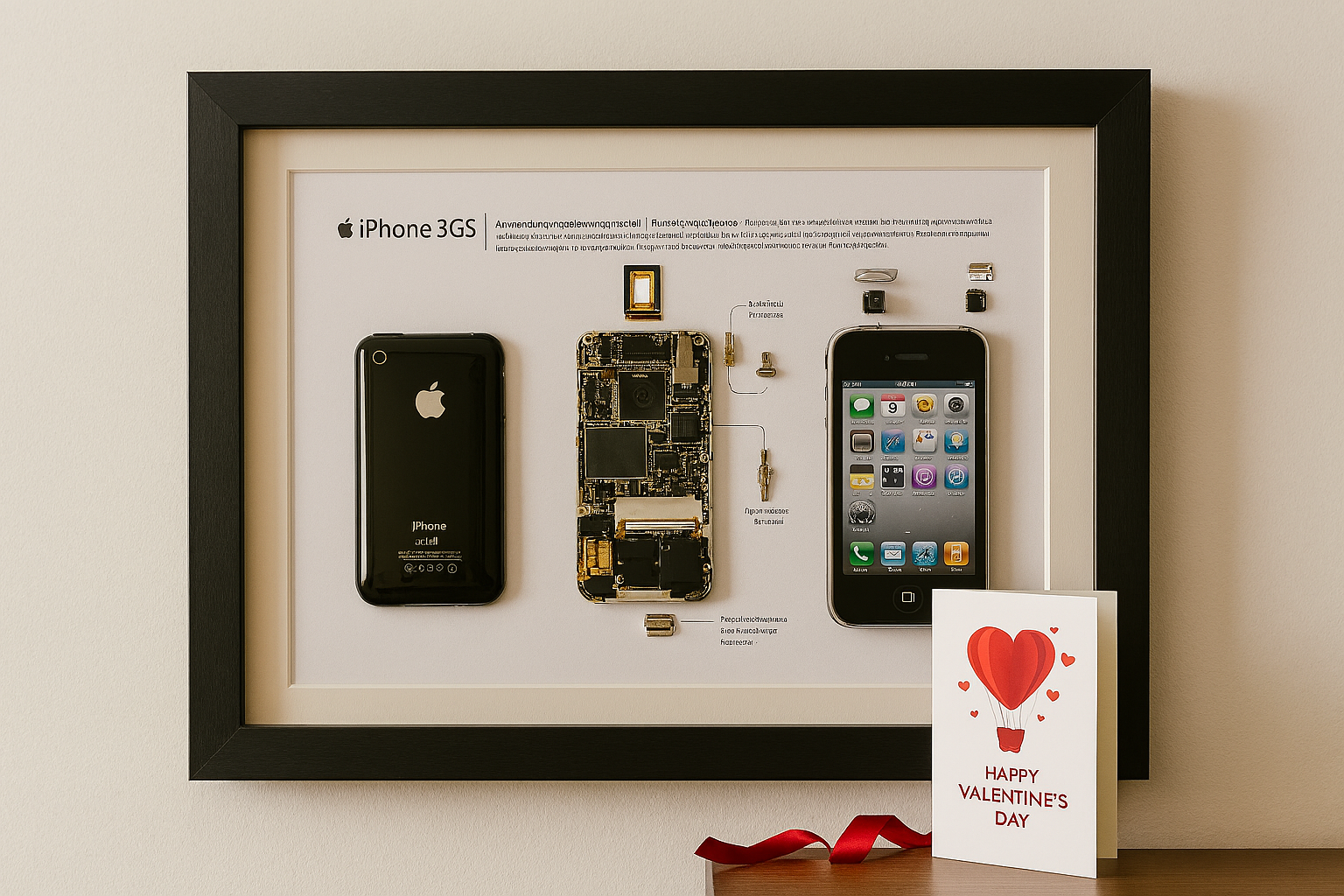
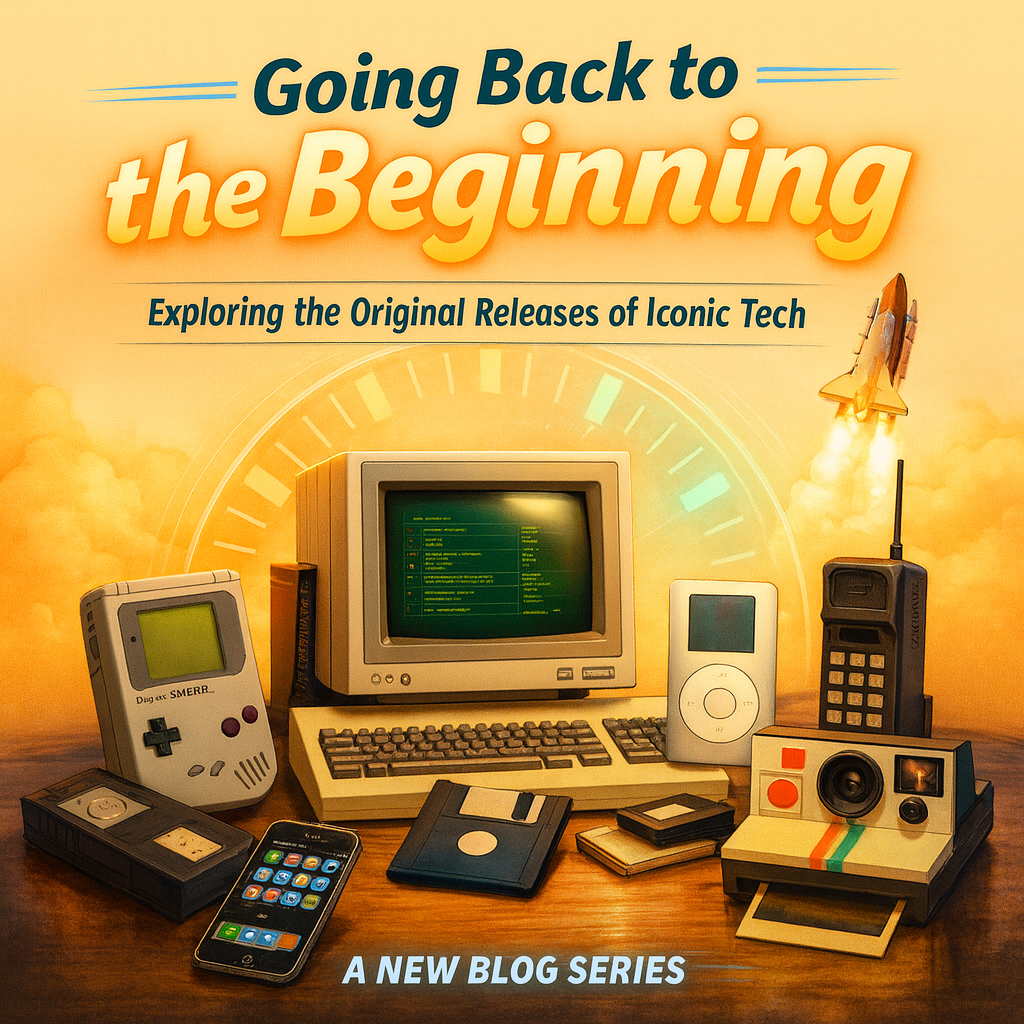
Going Back to the Beginning
By stepping back to the moment of release, we gain a clearer understanding of how innovation evolves—and how yesterday’s breakthroughs laid the groundwork for what we use today. Whether you remember these launches first-hand or are discovering them for the first time, this series offers a fresh perspective on the technology that helped define its era.
Our Website Relaunch
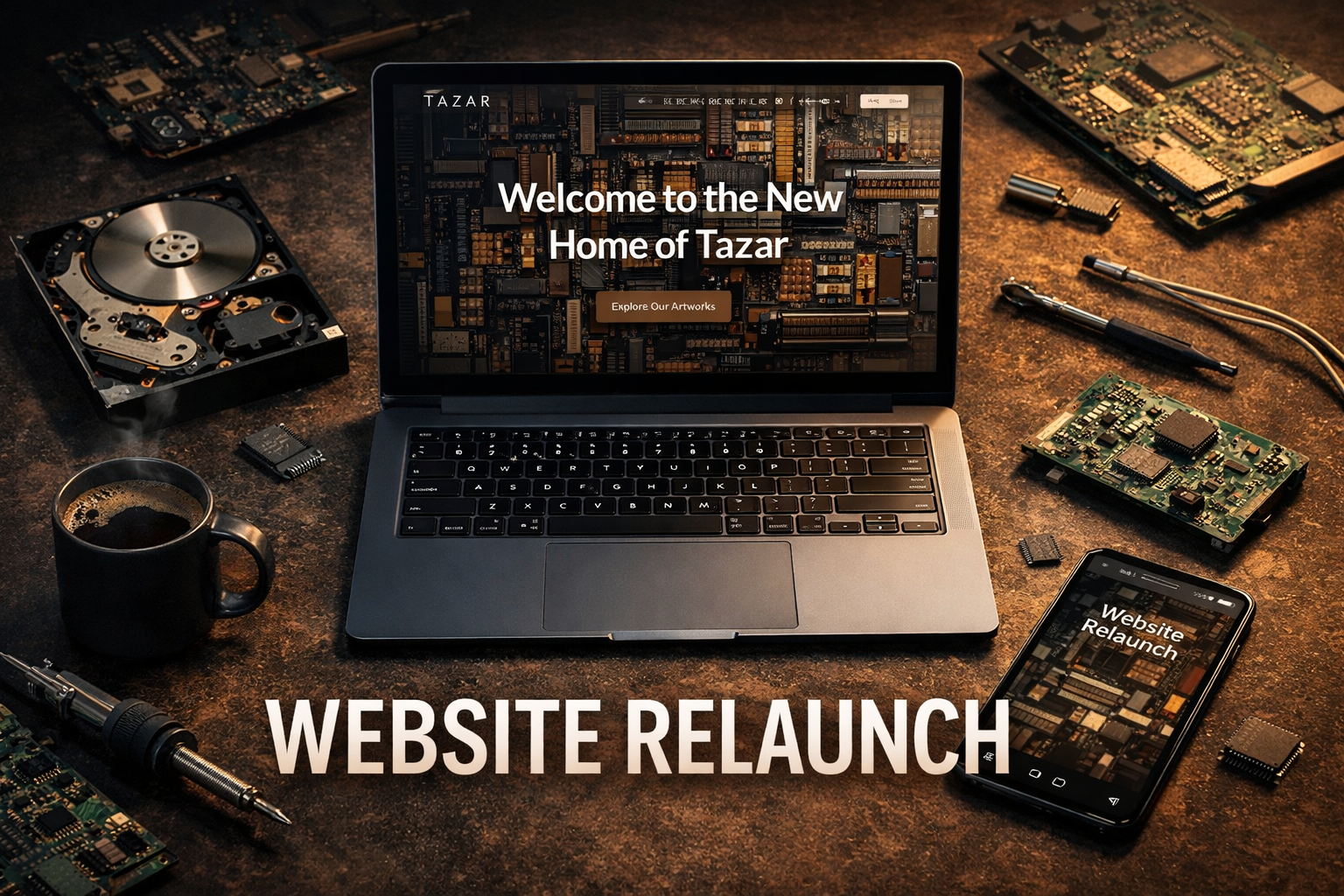
As our studio and collections have evolved, it became clear that our previous setup no longer reflected the level of performance, or reliability we expect from the Tazar experience. Moving to a new hosting provider allows us to build a faster, more stable, and more secure foundation for the site—one that better supports both our customers and our creative process.