Why We Take Things Apart
There's a moment, about twenty minutes into disassembling a Game Boy, when the whole thing makes sense. The shell comes off, the screws line up on the workbench, and what's left is something you wouldn't expect: a surprisingly considered piece of design. Compact. Deliberate. Built to last.
That's what started Tazar.
We got curious about what was inside the devices people grew up with, not in a technical sense, but in a human one. What did it take to build something that millions of people carried in their pockets, played on long car journeys, or saved up for months to own? And what happens to all of that when the device gets retired?
Most old electronics end up in a drawer, then a bin bag, then a landfill. We thought there was a better ending.
So we started taking them apart by hand. Carefully. Every component cleaned, every part laid out and considered. Then framed — arranged so that the engineering becomes the artwork. The logic board, the ribbon cables, the glass — things that were always beautiful, just never meant to be seen this way.
The catalogue now runs from original Game Boys to the iPhone 3GS, 4 and 6. Each one carries its own story. The Game Boy is pure nostalgia, chunky, indestructible, instantly recognisable. The iPhones trace a design lineage you can almost feel just by looking, the shift from plastic to glass, the thinning of bezels, the quiet confidence of the Rose Gold era.
Every piece we make is one-of-a-kind. When the device is gone, it's gone.
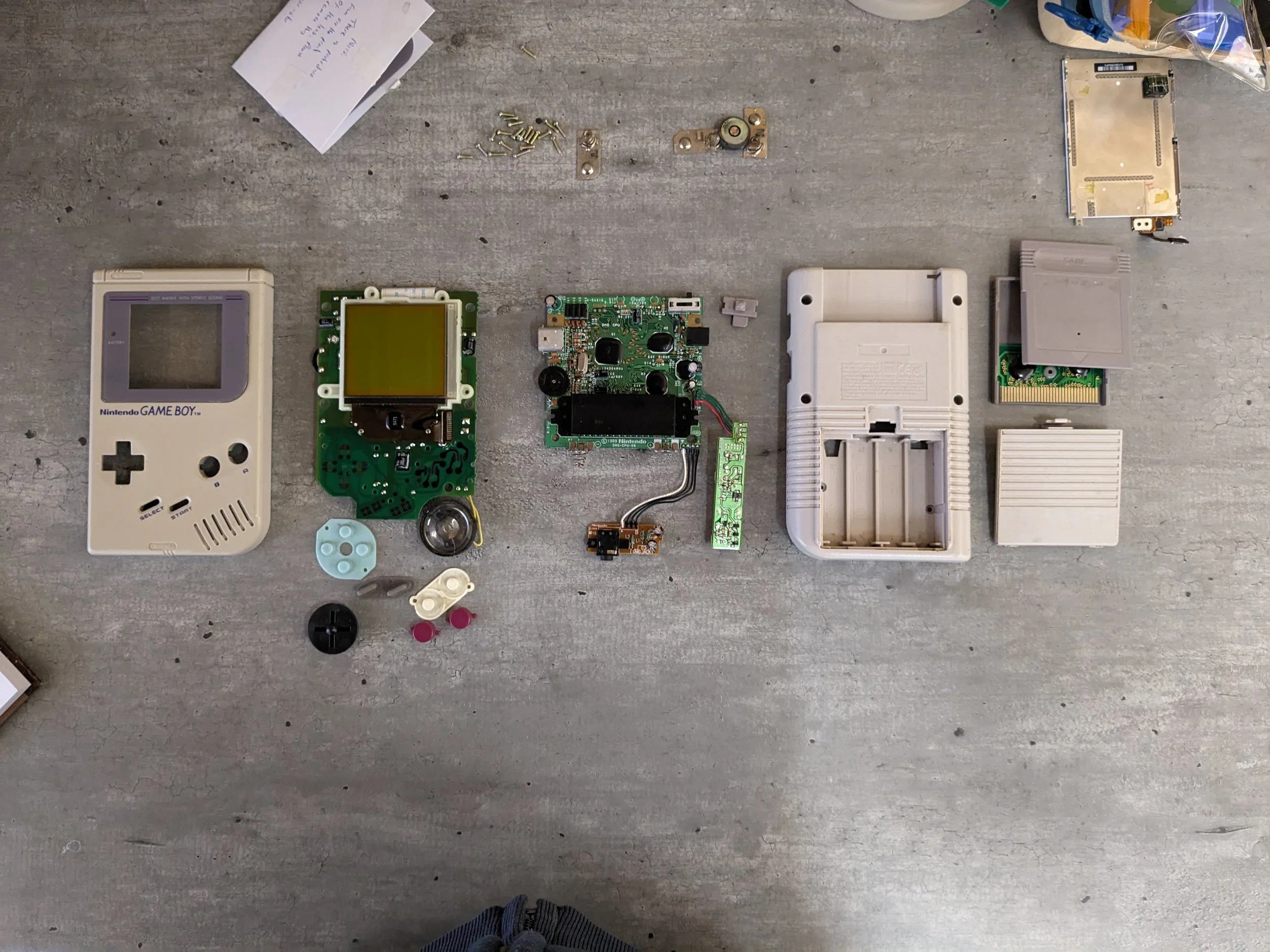
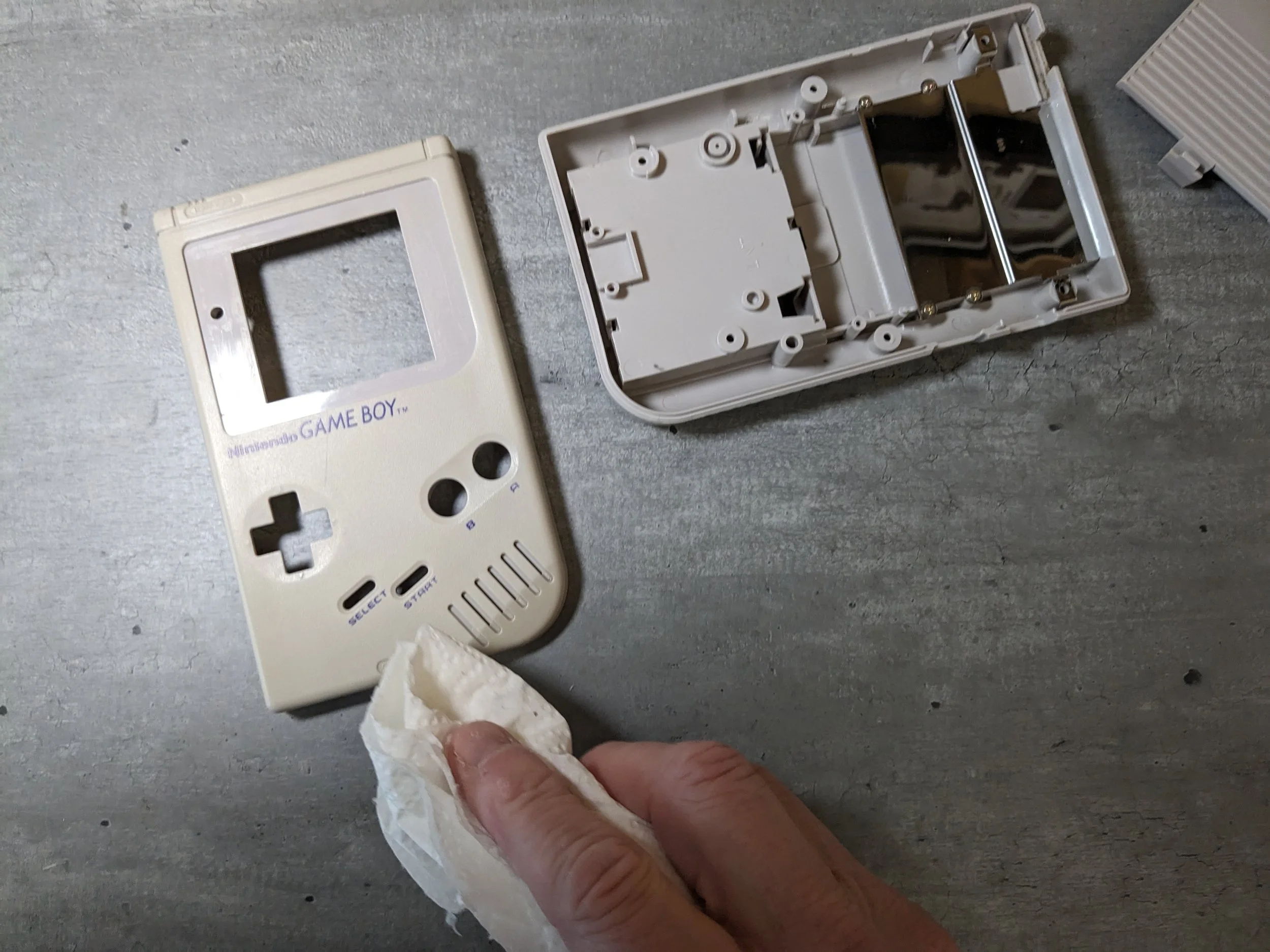
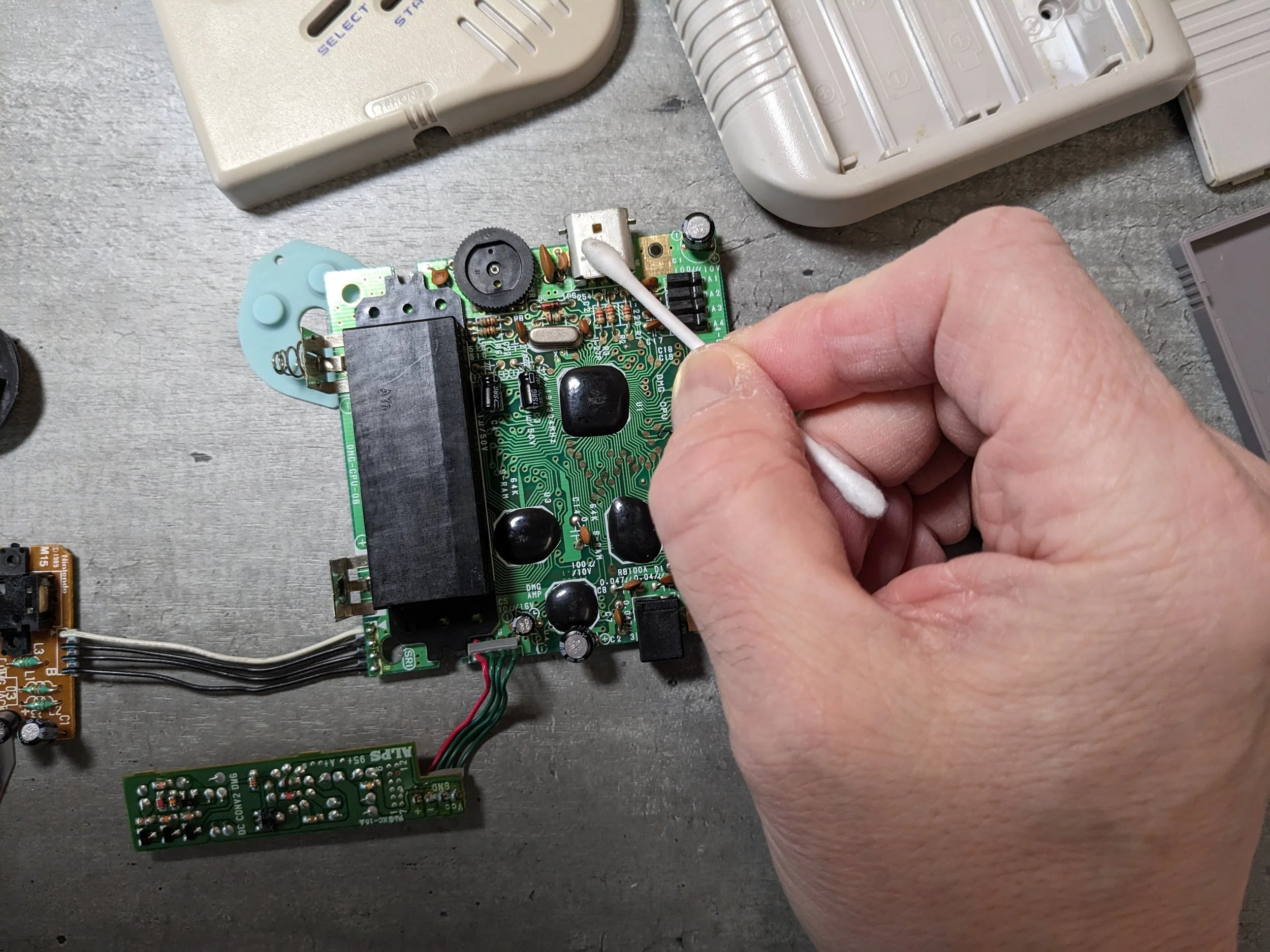
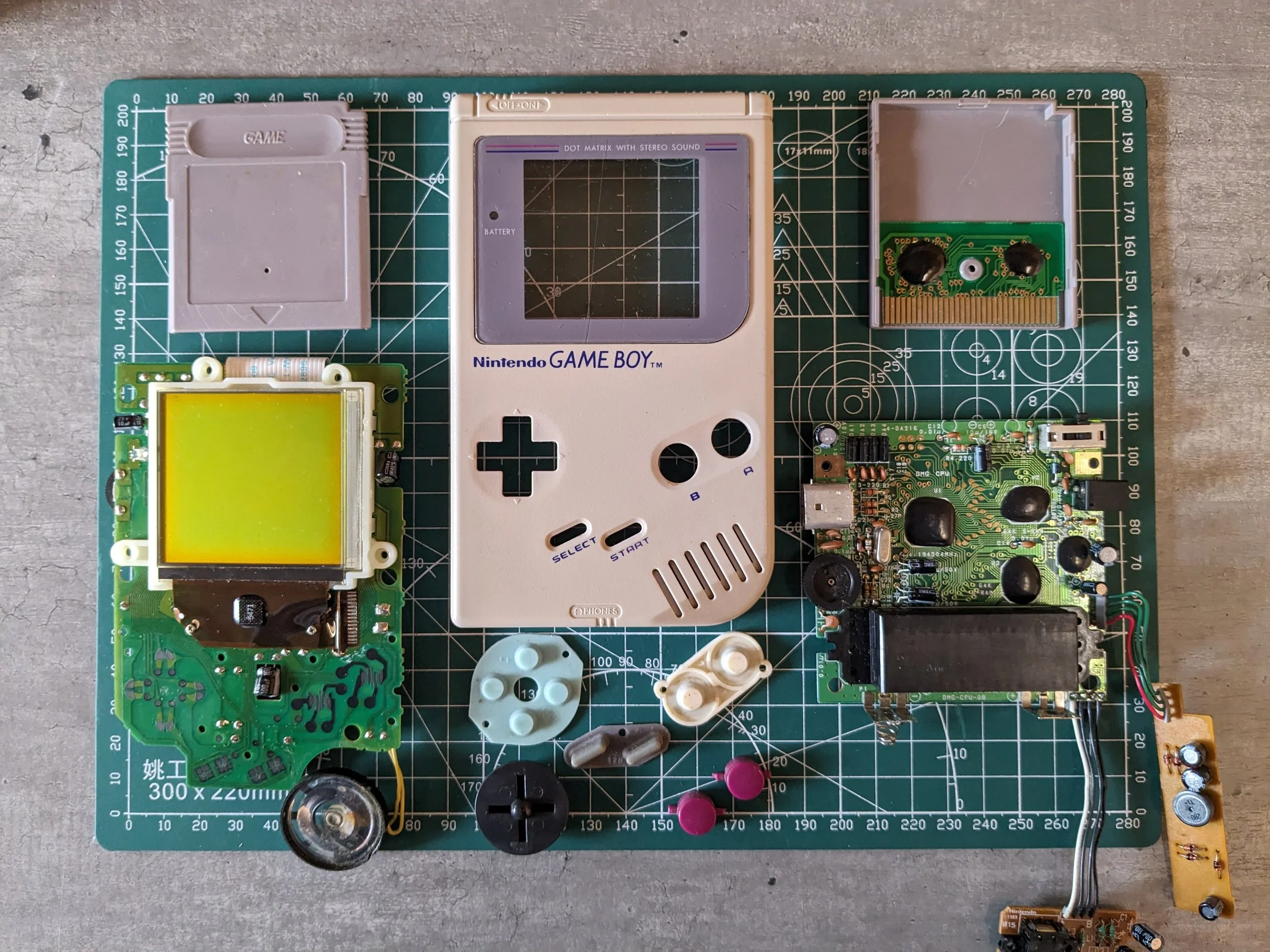
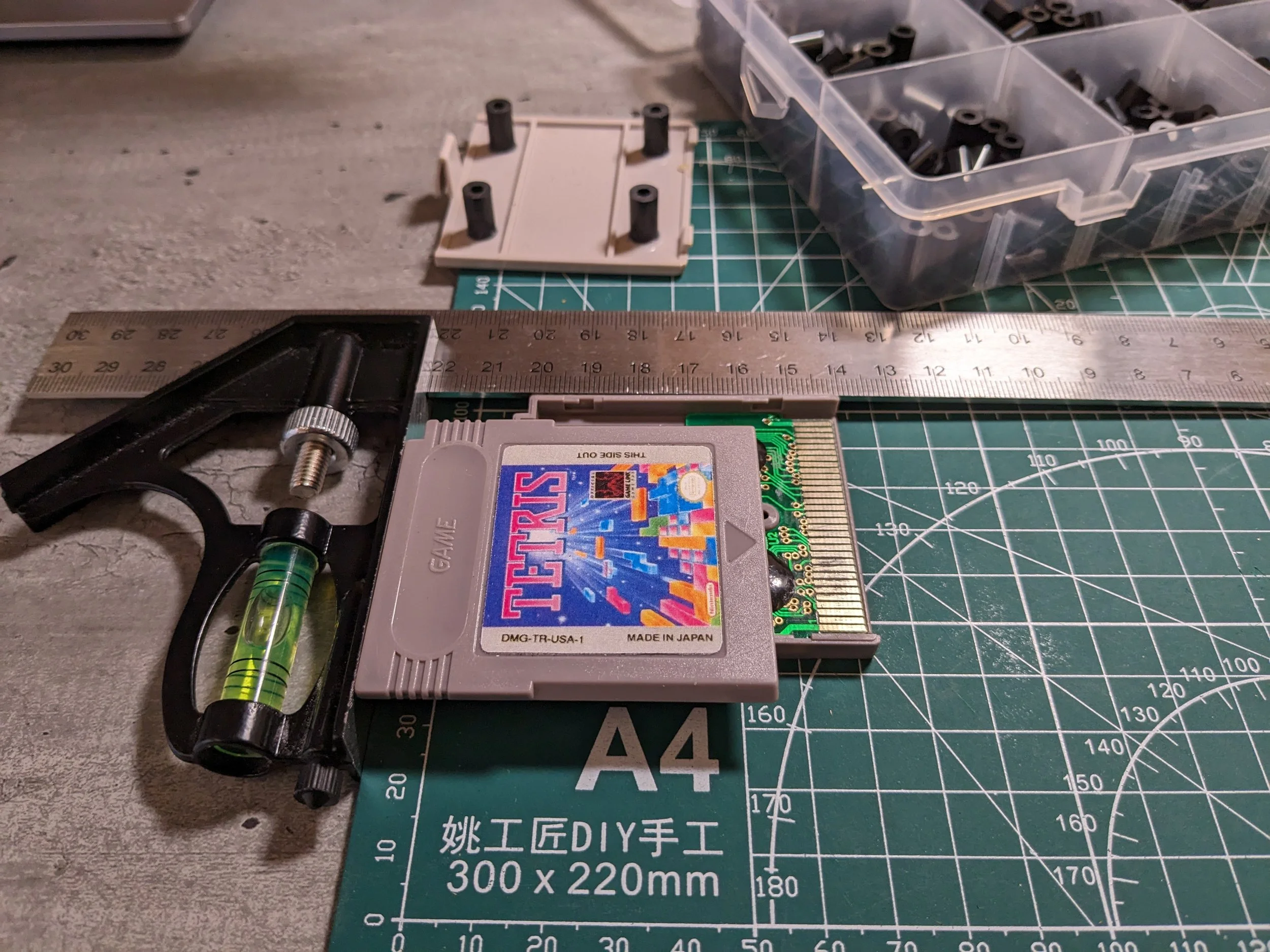
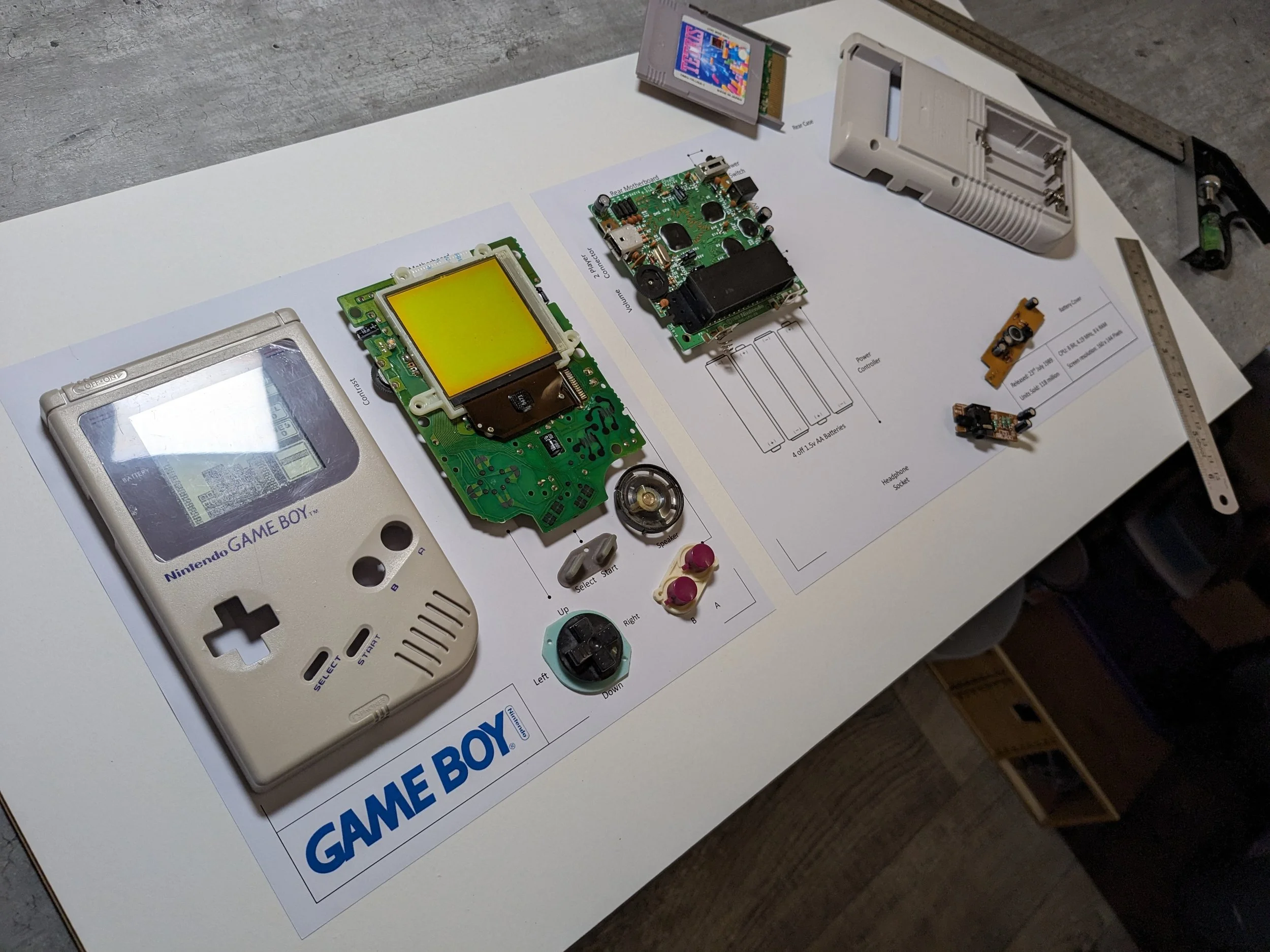
We work from a small studio in Hartford, Cheshire. No print runs, no reproductions. Just a workbench, some careful hands, and a belief that the things we used every day deserve a better kind of memory.
Browse the current collection at tazar.co.uk/shop