The iPod: The Beauty Was Always in Your Pocket
When Apple Needed a Miracle
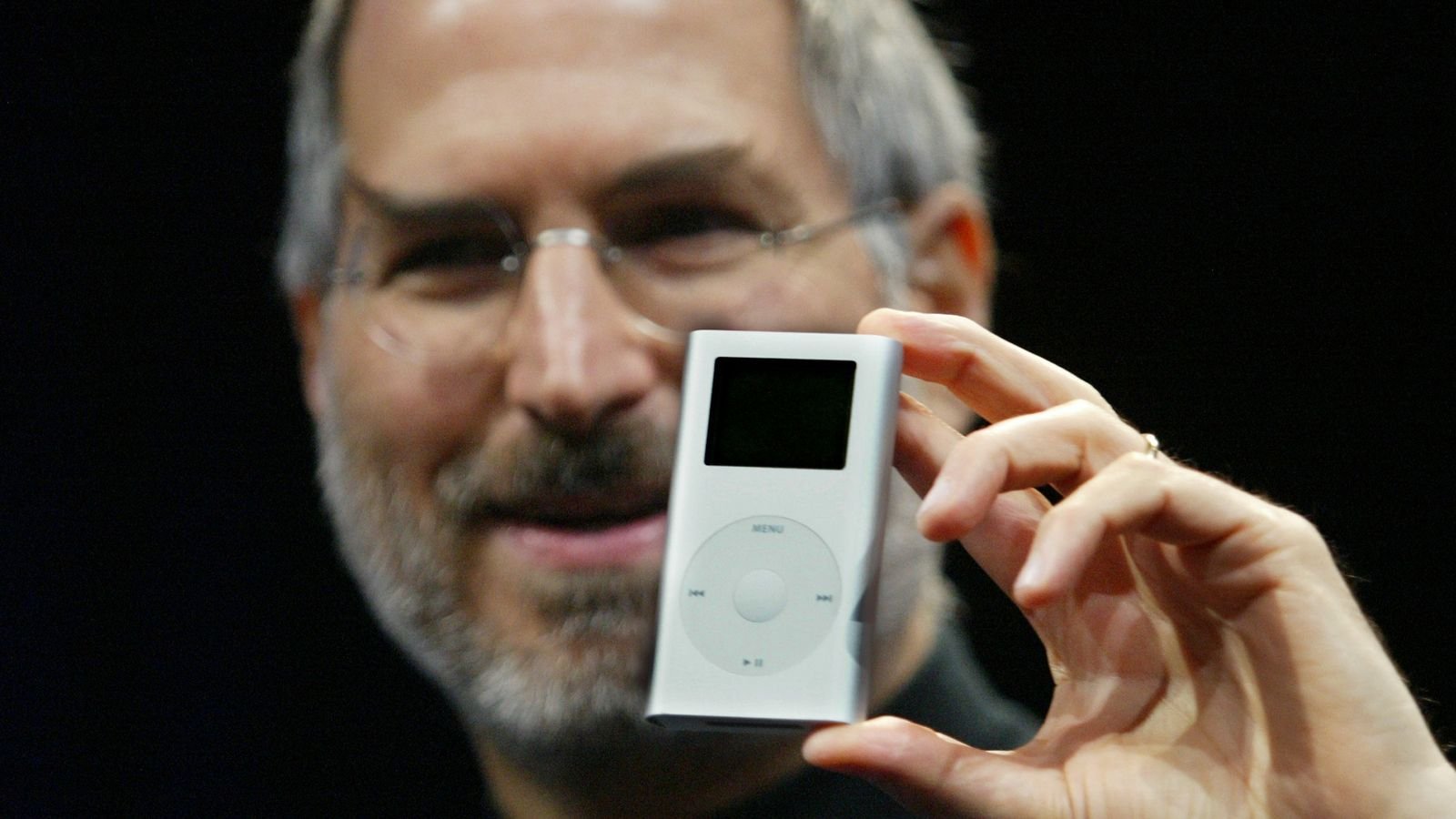
In the late 1990s, Apple was far from the unstoppable giant we know today. The company was struggling, its product line was messy, and its future was uncertain. Steve Jobs had just returned, bringing a renewed obsession with simplicity, clarity, and design.
But Apple needed more than a philosophy. It needed a breakthrough — something unexpected, something delightful, something that felt like finding the golden egg when you’d almost given up looking.
And that’s exactly what the iPod became: a small, surprising treasure that arrived at just the right moment, quietly carrying the promise of a brighter future inside its polished white shell.
The Click Wheel: A Design Icon
The original iPod’s click wheel wasn’t just a control method. It was a feeling.
Tactile
Precise
Effortlessly intuitive
While other MP3 players relied on tiny buttons and clunky menus, the iPod offered something different: flow. You could scroll through thousands of songs with a single smooth motion. It was physical, satisfying, and unmistakably Apple.
The click wheel became a symbol — of simplicity, of elegance, of a new era in consumer tech.
“1,000 Songs in Your Pocket”
Apple could have talked about storage capacity, battery life, or processor speed. Instead, they delivered one of the most iconic taglines in tech history.
1,000 songs in your pocket.
It wasn’t about the hardware. It was about the feeling.
This was Apple’s genius: turning technology into emotion. The iPod wasn’t sold as a device — it was sold as freedom.
The iPod Family: A Colourful Revolution (Easter Edition)
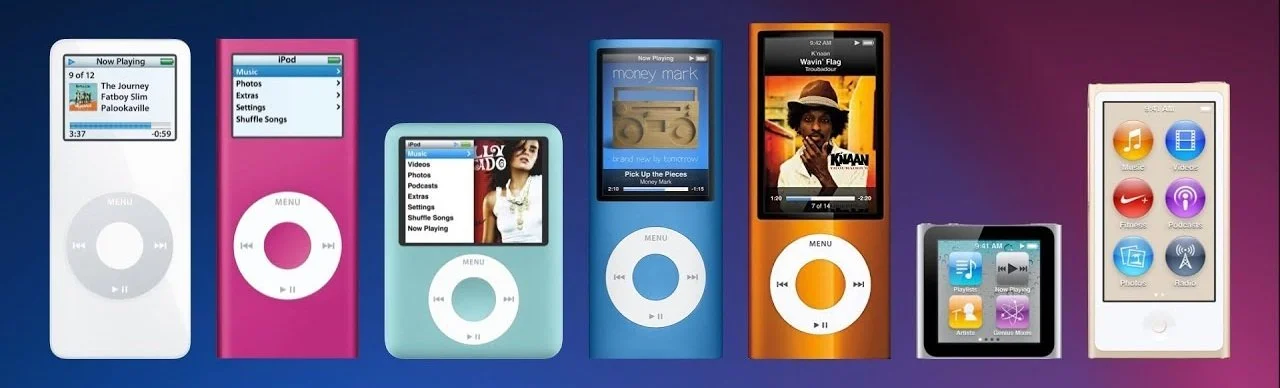
As the iPod evolved, it didn’t just become a product line — it became a basket of surprises, each generation arriving like a perfectly timed seasonal treat.
iPod Mini
When the Mini arrived in its pastel‑bright palette, it felt like Apple had dipped the iPod into an Easter egg dye kit. Soft blues, greens, pinks, and yellows — colours that made tech feel joyful, personal, and almost edible. It was the first iPod that felt like choosing a favourite sweet.
iPod Nano
The Nano was the sleek chocolate egg of the lineup — impossibly thin, impossibly tempting. Every new generation felt like unwrapping a fresh treat: new colours, new shapes, new surprises hidden inside.
iPod Shuffle
The Shuffle was the wildcard. No screen, no fuss — just press play and see what you get. Like reaching into an Easter basket without looking, you never quite knew which song would come next, and that was part of the charm.
iPod Classic
And then there was the Classic — the timeless centrepiece. The solid, dependable one. The equivalent of that one Easter egg you save for last because it’s the biggest, the best, and the one you want to savour.
iPod Touch
The touch was the iPod line’s quiet final act — a slim pane of glass that felt less like a music player and more like a starter kit for the future. For many, it became their first camera, first games console, first tiny window into the App Store. It carried music, sure, but it also carried curiosity and freedom, like finding a small Easter egg tucked into your pocket — a reminder that the magic of the iPod was never just the device, but the little surprises it unlocked.
Each model brought its own flavour, its own personality, its own little moment of delight. Together, they turned the iPod era into a colourful celebration — one that still sparks nostalgia today.
How the iPod Saved Apple
The numbers were staggering. The iPod didn’t just sell — it exploded.
Millions of units shipped
iTunes became a global ecosystem
Apple’s brand transformed from niche to iconic
The company’s financial future stabilised
And perhaps most importantly: The iPod taught Apple how to build consumer hardware at scale — a lesson that directly paved the way for the iPhone.
Without the iPod, there is no iPhone. Without the iPhone, there is no Apple as we know it today.
The Slow Goodbye
As smartphones absorbed every function of our digital lives, the standalone music player quietly faded. Apple discontinued the iPod line piece by piece, until only memories — and a few cherished devices — remained.
But the iPod never truly disappeared. It lives on in every swipe, every playlist, every moment we carry our music with us.
Why the iPod is on our todo list Today
At Tazar Studio, we believe the iPod deserves more than a drawer or a dusty box. Its internal engineering — the battery, the logic board, the iconic click wheel — is a piece of design history.
Framing an iPod isn’t just nostalgia. It’s a tribute to the device that reshaped an entire industry.
Each component tells a story: Of innovation. Of simplicity. Of a moment when technology felt truly magical.
A Final Note
The iPod wasn’t just a gadget. It was a companion for commutes, heartbreaks, late‑night walks, and early‑morning bus rides. It gave us a soundtrack for our lives — a little pocket‑sized joy, much like the small surprises that make Easter special.
And even though it’s gone, its legacy plays on — in every Apple device we use today.
See our current Apple range here.